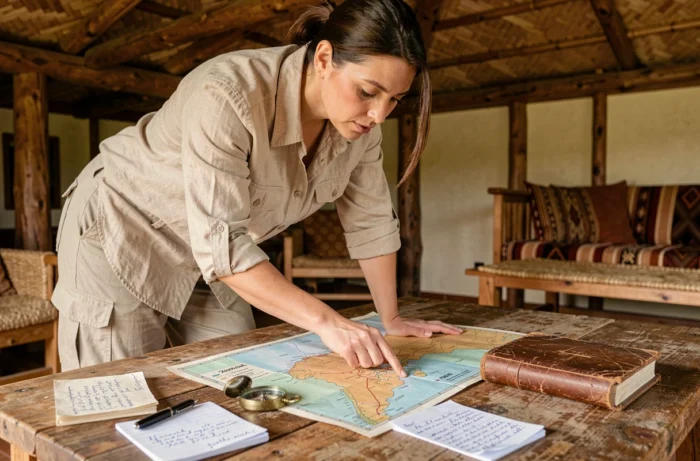
A safari in the Serengeti followed by a few days in Zanzibar is the classic combination. However, between the visa, mandatory local insurance, and the choice of entry point into the country, preparing a tailor-made trip to Tanzania requires addressing several questions even before selecting a lodge.
Mandatory insurance in Tanzania: a game-changing formality
Do you already have international travel insurance with repatriation? It may not be sufficient. Since October 1, 2024, all foreign non-resident visitors arriving in Zanzibar must purchase insurance from the Zanzibar Insurance Corporation (ZIC), even if they have private coverage.
This requirement is in addition to the visa. It specifically concerns the archipelago and must be integrated from the itinerary’s design stage. If you start with a safari on the mainland before heading to Zanzibar, the insurance must be purchased at the time of crossing to the archipelago.
For mainland Tanzania, a similar regulatory change is expected on October 1, 2026. Practical details are yet to be confirmed, as available sources do not describe the same level of enforcement. Check this point a few weeks before departure. When it comes to organizing a tailor-made trip to Tanzania, this administrative step surprises the most travelers.
Your private insurance remains relevant for medical evacuation limits, cancellation coverage, and sports activities. The ZIC serves as a required baseline, not a substitute.
Entry point and safari itinerary: a choice that structures the entire trip
Most guides treat the safari and Zanzibar as two separate blocks. In practice, the order in which you experience them affects the budget, fatigue, and formalities.
Arriving via the mainland or Zanzibar
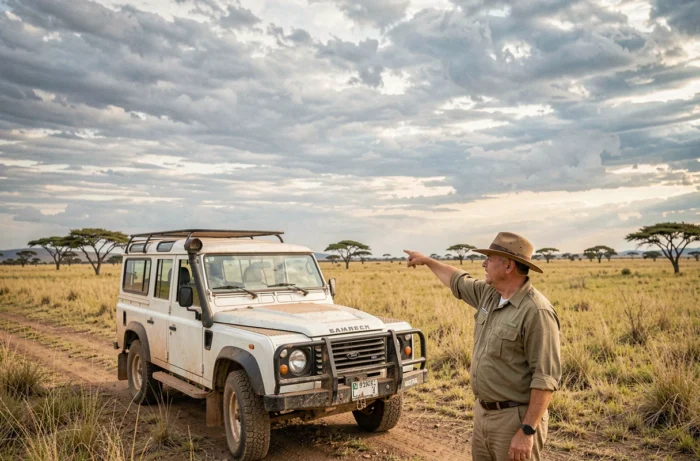
If you land first on the mainland (Arusha, for example), you start directly with the safari circuit. The northern parks (Serengeti, Ngorongoro, Tarangire) are accessible from Arusha within a few hours’ drive.
If you start with Zanzibar, you enjoy the beaches at the beginning of your stay when your energy is high. However, you will then have to manage a domestic flight to the mainland for the safari, which adds a logistical segment.
Northern circuit: Serengeti, Ngorongoro Crater, Tarangire
These three parks form the classic safari triangle in Tanzania. The Serengeti attracts visitors for its wildlife and vast savannah landscapes. The Ngorongoro Crater concentrates a remarkable animal density in a closed space. Tarangire is renowned for its elephants and baobabs.
The order of visits between these parks depends on the season and the position of migrating herds. A local French-speaking guide adapts the itinerary day by day, which makes the difference between a rigid safari and an experience tailored to the terrain.
- Starting with Tarangire allows for a gradual start, with fewer vehicles than in the Serengeti.
- The Ngorongoro Crater is visited in a full day, often placed in the middle of the circuit to break up the journey between two parks.
- The Serengeti requires at least two nights on-site to cover different areas and increase wildlife sightings.
Safari budget in Tanzania: the items that no one details
Tanzania is not a cheap destination for safaris. The Tanzanian government regularly increases entrance fees to national parks, and these costs are non-negotiable.
Park entrance fees represent the most rigid item in the budget. Whether you sleep in a tent or in a high-end lodge, this amount remains the same. It is on accommodation, vehicle type, and circuit duration that there is room for maneuver.
Accommodation: from camping to charming lodges
Three main categories stand out:
- Camping (tents set up by the team) significantly reduces the cost per night but involves basic comfort and shared facilities.
- Permanent tented camps offer a appreciated compromise: bed, shower, sometimes solar electricity, for an intermediate price.
- Hard lodges provide a pool, restaurant, and comfort comparable to a hotel, at a significantly higher price.
Why does this choice matter so much? Because on a multi-night circuit in the Serengeti or Ngorongoro, the price difference between camping and a lodge quickly multiplies.
Practical tips for a successful tailor-made trip to Tanzania
Several technical points should be addressed early in the preparation.
Exchanging dollars before departure is almost necessary. Card payment devices are rare outside major cities. The visa can be paid in cash upon arrival if you haven’t settled it online.
The choice of a French-speaking guide is ideally made through the agency designing the circuit. This guide-driver stays with you throughout the safari portion. Their knowledge of the terrain, tracks, and animal habits directly influences the quality of observations.
The minimum duration for a safari and Zanzibar combination is around ten days. Below that, you compress transfers and lose time on the road rather than in the parks or on the beaches.
A final often overlooked point: the season. The dry season (from June to October) concentrates animals around water points and facilitates movement on the tracks. The green season offers lower rates and lush landscapes, but some roads become difficult after the rains. Adapting the calendar to your priorities (nature, budget, crowding) remains the most effective lever to shape a trip to Tanzania that truly meets your expectations.