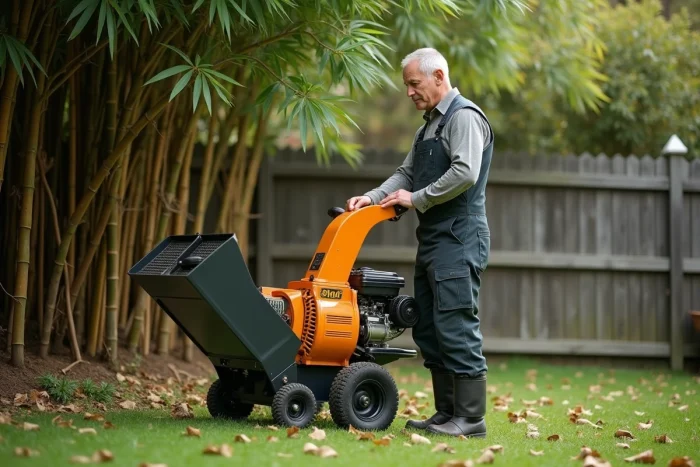
A shredder designed for softwood often proves ineffective against the thick and fibrous canes of bamboo. Some models boast high power but struggle to process this type of vegetation, while lesser-known devices achieve better results thanks to their specific cutting system.
Many gardeners make the mistake of not considering the very nature of the material to be shredded when purchasing their device. The result: striking differences in robustness, performance, and ease of maintenance from one shredder to another. These discrepancies directly affect the quality of the shredding… and the longevity of the machine.
Maintaining bamboo: specific needs for choosing a shredder
With bamboo, the gardener faces a sustained pace. The rapid growth of these stems quickly produces a mountain of canes and leaves that need to be disposed of after each trimming. To tackle this flow of green waste, a garden shredder is essential: it reduces the volume by 60 to 80%, transforms the residues into mulch perfect for composting or mulching, and aligns with ecological practices, especially since burning this waste is often prohibited.
The structure of bamboo, both fibrous and with varying diameters, demands a discerning choice. Opt for an appropriate power and a cutting system capable of handling both fresh canes and older stems. The maximum cutting diameter must exceed that of the largest stems in your bed; otherwise, be wary of jams. And in residential areas, the noise level deserves your attention to avoid tensions with the neighbors.
Choosing a shredder suitable for bamboo is not a matter of improvisation: frequency of use, area to be treated, and diversity of plants guide the choice of capacity, maneuverability, and ease of maintenance sought. A well-thought-out shredder produces quality BRF (fragmented branch wood), a valuable ally for the soil. This mulch, integrated into compost or used as mulch, stimulates the activity of beneficial fungi, particularly mycorrhizae. Never neglect protective equipment: goggles, gloves, helmet, appropriate shoes, and covering clothing limit the risk of accidents. Finally, keep an eye on local regulations regarding shredding and waste management, or face significant penalties.
What type of shredder for which waste? Understanding the models suitable for bamboo
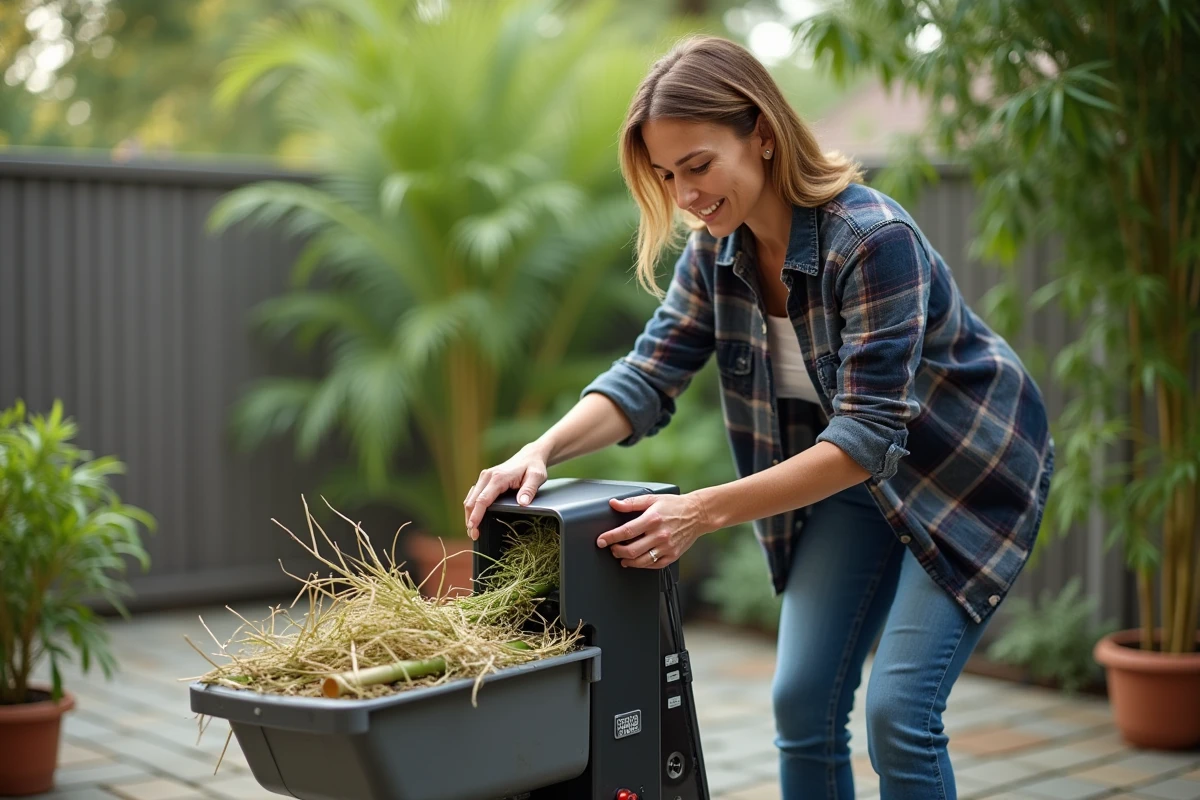
When faced with the tough stems of bamboo, choosing a garden shredder involves distinguishing between several technologies, each with its strengths and limitations. Three main families dominate: electric shredders, thermal shredders, and manual models. The former appeal due to their low noise and simplicity, ideal for moderately sized gardens. An electric shredder is sufficient for processing branches less than 40 mm in diameter and reasonable volumes. Depending on the system, blade disc or rotor, fresh bamboo is well cut, but older and more fibrous stems can sometimes pose a problem.
Thermal shredders take over for large gardens or frequent use. Their powerful motor reliably devours robust stems, sometimes up to 80 mm in diameter. They are the companions of professionals or very active gardeners, capable of processing large quantities of green waste in minimal time. In return, they are noisy, bulky, and require space away from homes.
Some enthusiasts prefer the traditional method: the straw chopper. Rarely used, this system relies on manual strength and patience. It is suitable for small volumes but requires a solid mechanism to avoid jams and blockages, as bamboo does not forgive an unsuitable shredder. The shredding systems vary (turbine, flail, drum, screw), but the fibrous nature of bamboo necessitates opting for a robust mechanism. A poorly chosen shredder is always disappointing: match power, technology, and the type of bamboo to be processed.
Tests, reviews, and practical advice for selecting a truly effective shredder
Power, cutting diameter, safety: the uncompromising criteria
In the field, the announced maximum cutting diameter is not everything: reality is tested on bamboo stems, both fresh and dry. To be up to the task, a garden shredder designed for bamboo must combine a solid motor (at least 2500 W for electric), an effective anti-jamming system, and an opening designed to accommodate long canes. The power ensures clean cuts, reduces blockages, and increases the lifespan of the device. Prefer systems with a rotor or turbine, which easily break down the tough fibers of bamboo, where a simple blade disc quickly reaches its limits.
Here are the criteria to examine for a truly relevant choice:
- Volume of waste produced: adapt the shredder to the frequency of trimming and the area to avoid ending up with an undersized device.
- Noise level: above 100 dB for thermal models, it’s better to reserve them for places far from homes.
- Mobility: a compact format with wheels greatly simplifies movement on uneven ground.
- Maintenance: prioritize quick access to the blades and rotor to facilitate cleaning after each use.
Safety should never be overlooked: gloves, goggles, closed shoes, and appropriate clothing effectively protect against flying debris. Most shredders require the use of personal protective equipment to limit risks.
For occasional use, consider renting or group purchasing: this reduces costs while providing local service, especially for after-sales. Always inquire about the quality of the mulch produced: homogeneous, it will enrich the mulch or compost. The mulch from bamboo, well-fragmented, integrates perfectly into BRF and promotes living soil.
A well-chosen shredder transforms the chore of bamboo into a resource for the garden. The right device promises richer soil and better-managed beds, an asset for those who want to tame the vigor of bamboo without losing their patience.