
A simple swipe of the finger, and suddenly the morning migraine transforms into the preamble of a medical catastrophe scenario. On the Internet, every symptom finds its apocalypse, and every medical forum is overflowing with increasingly anxiety-inducing alerts. However, against the tide of this wave of stress, some blogs carve their own path, refusing to sacrifice nuance at the altar of buzz.
Passionate about connected health, sometimes themselves facing illness, they bet on calm information. Their guiding principle? To share reliable, accessible, well-founded content, without ever trying to scare the audience. Behind these digital notebooks, a common thread emerges: learning to know oneself and to take care of oneself can also rhyme with calm and clarity.
Connected health: between innovations and concerns, where is the information?
Connected health is everywhere: mobile applications, connected devices, artificial intelligence, big data. These tools are revolutionizing prevention, monitoring, and diagnosis. A simple bracelet or a connected watch takes the pulse, analyzes the heart rate, and issues personalized alerts. Glucose, sleep, blood pressure: everything is scrutinized by sensors and telemedicine platforms, making medical follow-up more accessible, even remotely.
But the flip side is the massive collection of health data. Users find their privacy exposed to unprecedented threats: cyberattacks, commercial abuses, ambiguity around the control of their own information. The GDPR sets a framework, closely monitored by the CNIL. Yet, trust is eroding. A barometer by Bristol Myers Squibb/EDHEC/IPSOS highlights the growing distrust among the French. Security incidents are multiplying, undermining the credibility of hospitals, insurers, and even banks in managing this ultra-sensitive data.
In the face of this tidal wave, some digital spaces are trying to reset the clock without playing the harbingers of doom. The blog Pharamond Santé has established itself as a reference point. On its page “Le blog santé Pharamond: un allié pour comprendre les enjeux médicaux – Web Ouest”, it dissects the uses of connected medical devices, details the protections offered by the GDPR, and explores quantified self without ever succumbing to panic. Here, pedagogy takes precedence, and respect for the reader is never sacrificed at the altar of sensationalism.
- Understanding the benefits: enhanced autonomy, real-time monitoring, tailored prevention.
- Identifying the risks: exposure of personal data, technical reliability, ethical and human issues.
- Staying vigilant: monitoring access, selecting applications, preserving privacy.
Connected health advances in fits and starts, between exciting promises and legitimate doubts. In this context, engaged blogs become compasses, ensuring solid information amidst the tumult of digital fears.
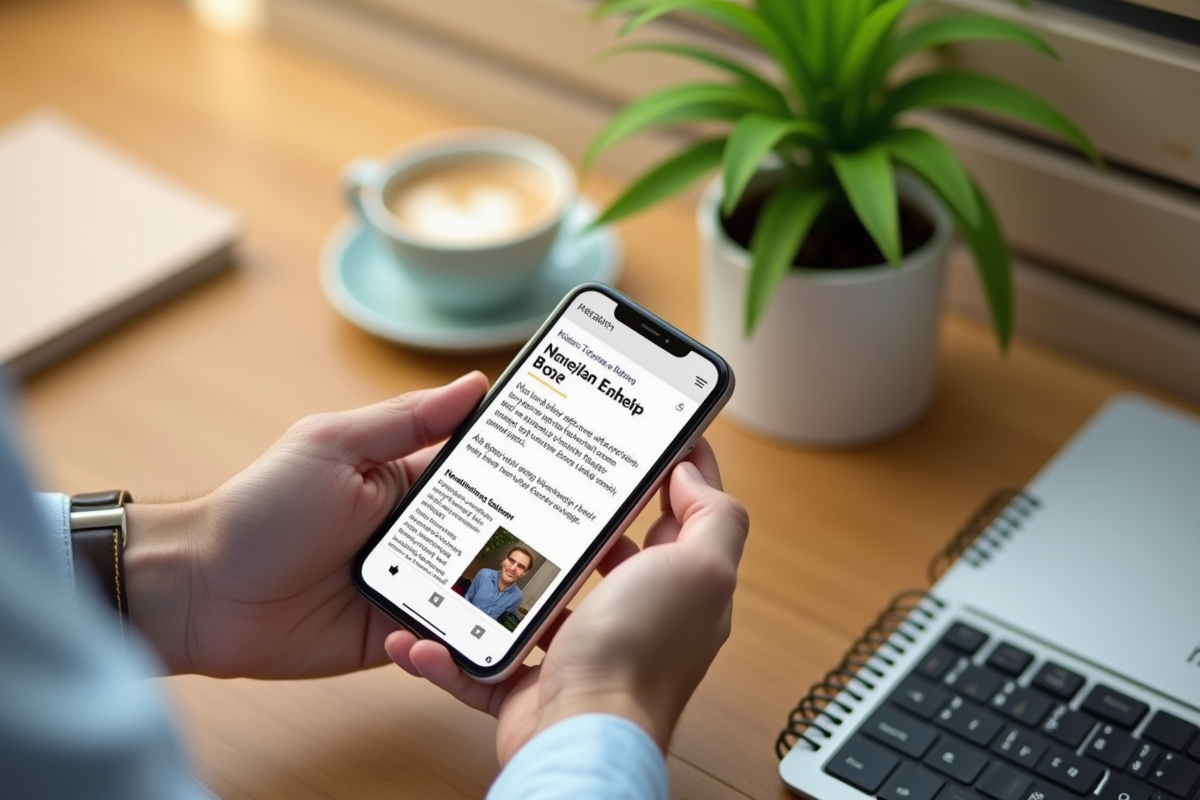
Which blogs to prioritize for calm information without succumbing to panic?
At the heart of the proliferation of digital solutions, the quality of information stands out as a major issue. Connected health is not limited to futuristic gadgets; it requires thoughtful choices above all. The blogs that stand out focus on rigor, source verification, and a patient decoding of mobile applications and connected devices.
On these platforms, data protection is never relegated to the background. The articles explain the GDPR, detail the role of the CNIL, and remind readers that security is a collective requirement. Rather than waving the specter of cyberattacks indiscriminately, they contextualize threats, encourage rational use, and inform about the collection of health data. Risks are named, and best practices are highlighted.
- Select content that addresses data security with moderation and clarity.
- Pay attention to in-depth analyses of the features of connected medical devices and their regulatory compliance.
- Be attentive to editorial independence: absence of disguised advertising, transparency about partnerships.
The Pharamond health blog, hosted by Web Ouest, stands out for its documented and engaged approach. It discusses the changes in connected health in France, relies on studies from the Bristol Myers Squibb/EDHEC/IPSOS barometer, and gives voice to field professionals. This clear-eyed perspective, without falling into excess, sheds light on technological transformations and stays the course away from collective frenzies.
At a time when every notification seems to promise a revolution or announce a peril, there are still places where one can inform themselves without losing their calm. Connected health deserves better than a panic attack: it awaits curious, clear-headed readers, determined to sift through the great digital noise.